The Duty of Light Weight Aluminum Shop in Different Industries: Applications and Maintenance Insights
Aluminum foundries are vital in numerous markets, offering long lasting and light-weight components that significantly influence product efficiency. Their applications extend from automotive engine blocks to aerospace structural parts. The effectiveness of these factories counts greatly on rigorous maintenance methods and the assimilation of advanced innovations. Recognizing these characteristics exposes a complex interplay of advancement and practice, triggering additional exploration right into the future patterns shaping this essential market.
Summary of Light Weight Aluminum Foundries and Their Processes
Light weight aluminum factories play a vital duty in the production market, concentrating on the casting of light weight aluminum parts. These centers use numerous procedures to change raw aluminum right into completed products, starting with melting scrap or ingots in high-temperature heaters. When thawed, the aluminum is poured into mold and mildews, which can be made from metal, sand, or ceramic, depending on the wanted coating and application.
After cooling, the actors elements undertake added procedures such as cutting, machining, and surface area finishing to satisfy aesthetic demands and details tolerances. Aluminum Casting. Quality control is extremely important; shops implement strenuous screening methods to determine that the end products satisfy industry criteria
The versatility of aluminum as a material enables a large range of elements and layouts, making shops crucial for numerous markets. Their know-how in dealing with light weight aluminum guarantees that manufacturers receive premium components essential for subsequent setting up and use.
Applications in the Automotive Sector
While the auto market increasingly looks for lightweight products to enhance gas performance and efficiency, aluminum factories have ended up being crucial providers of different components. These shops produce vital parts such as engine blocks, transmission housings, and wheels, which add to reduced automobile weight and improved handling. The flexibility of aluminum permits intricate geometries, making it suitable for intricate styles in both architectural and aesthetic applications.
Furthermore, light weight aluminum castings are favored for their superb corrosion resistance and recyclability, aligning with the industry's sustainability objectives. The usage of aluminum in electric automobiles is additionally increasing, as it sustains efficient battery designs and thermal administration systems. With constant improvements in casting modern technologies, aluminum factories are furnished to fulfill the ever-evolving demands of the vehicle industry, ensuring that suppliers can deliver high-performance lorries that meet consumer expectations for performance and sustainability.
Aerospace Sector Utilization of Aluminum Castings
The aerospace market progressively counts on aluminum spreadings for a range of essential applications, driven by the need for light-weight and high-strength products. Aluminum spreadings play a crucial function in producing elements such as engine mounts, brackets, and structural airframe components. The integral residential or commercial properties of light weight aluminum, consisting of outstanding corrosion resistance and tiredness strength, make it a suitable option for aerospace applications, where performance and security are critical.
In addition, light weight aluminum spreadings help with detailed layouts and geometries that can boost aerodynamic efficiency. The capability to create intricate shapes while decreasing weight is vital in optimizing fuel efficiency and total airplane performance. Makers utilize innovative spreading techniques such as sand and pass away casting to achieve the called for precision and quality. Additionally, the recyclability of light weight aluminum aligns with the sector's sustainability goals, even more solidifying its relevance in aerospace. As modern technology advancements, the utilization of aluminum spreadings is expected to broaden, satisfying the progressing needs of the aerospace industry.
Building And Construction Sector and Light Weight Aluminum Foundries
In the building and construction market, aluminum factories play a considerable function by giving products that improve structural stability and minimize total weight in building projects. Aluminum spreadings are preferred for their strength-to-weight ratio, making them suitable for various applications, consisting of home windows, doors, and architectural parts. The lightweight nature of light weight aluminum not just assists in less complicated handling and transportation however likewise contributes to power effectiveness in structures.
Aluminum's resistance to corrosion assurances durability and decreases maintenance costs, which is crucial for facilities projects. Foundries generate custom elements customized to details building styles, enabling ingenious construction solutions. Additionally, innovations in aluminum alloy modern technology have expanded the variety of applications, making it possible for using light weight aluminum in high-stress environments. By supporting lasting building techniques, light weight aluminum factories add to the overall effectiveness and resilience of building and construction projects, making them crucial partners in the market.
Durable Goods and House Applications
Light weight aluminum foundries significantly add to the customer items industry by generating a range of home items that incorporate functionality with aesthetic appeal. From cookware to home decoration, aluminum acts as a flexible product, making certain items are both lightweight and long lasting. Popular things include kitchenware, such as pots and frying pans, which take advantage of light weight aluminum's exceptional thermal conductivity, making food preparation extra reliable.
In addition, aluminum's corrosion resistance enhances the long life of home things, decreasing the requirement for frequent substitutes. Decorative aspects, such as light weight aluminum photo structures and lights, showcase the steel's capability to be formed right into elaborate styles while preserving a modern-day aesthetic.
The eco-friendly nature of light weight aluminum, being recyclable, straightens with consumer preferences for lasting items. aluminum casting company. Light weight aluminum shops play a vital duty in satisfying the diverse needs of houses, providing essential items that enhance day-to-day living while attending to ecological worries.
Upkeep Finest Practices for Spreading Devices
Efficient upkeep of casting equipment is essential for peak efficiency and durability. Normal equipment evaluations, proper lubrication and cleansing, and complete driver training programs are essential parts of an effective upkeep approach. Applying these finest techniques can significantly lower downtime and improve total manufacturing efficiency in light weight aluminum foundries.
Regular Tools Assessments
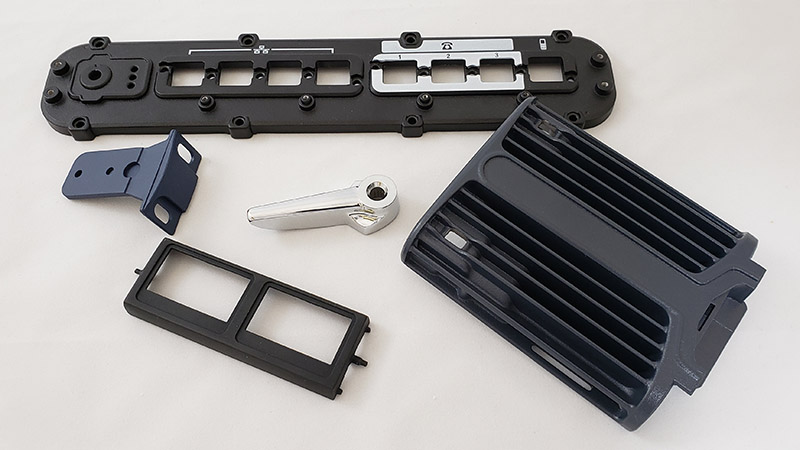
Regular devices inspections play an important duty in keeping the effectiveness and safety of casting procedures. These evaluations include a systematic examination of equipment to determine wear, damages, or prospective failures prior to they escalate into costly you can try these out failures. By adhering to a routine assessment timetable, foundries can ascertain that all casting equipment runs at peak performance, thus minimizing downtime and optimizing productivity. Assessments ought to encompass important components such as mold and mildews, heaters, and cooling systems, enabling the timely substitute or fixing of parts. In addition, documentation of assessment searchings for is crucial for tracking tools background and informing future upkeep decisions. Ultimately, regular evaluations contribute substantially to the durability of equipment and the general success of light weight aluminum shop procedures.
Lubrication and Cleansing
Correct lubrication and cleansing are essential elements of maintenance techniques for casting equipment in foundries. Normal lubrication decreases damage on machinery, ensuring that components operate efficiently and effectively. It is important to utilize the ideal lubricants specified by manufacturers, as different devices might need diverse materials to function at peak performance.
Cleaning up devices removes pollutants and particles that can hinder operations and lead to flaws in spreadings. Set up cleansing routines should be established to stop buildup and lengthen tools life. On top of that, drivers need to comply with safety protocols while handling cleansing representatives to preserve a secure functioning setting. By prioritizing lubrication and cleansing, foundries can improve the dependability and performance of their spreading tools, inevitably adding to enhanced production quality.
Operator Training Programs
While keeping spreading equipment is necessary for excellent efficiency, comprehensive driver training programs play a significant role in making sure that personnel are well-equipped to deal with maintenance jobs effectively. These programs ought to focus on the specific operational facets of light weight aluminum factory devices, including safety methods, troubleshooting methods, and regular maintenance treatments. By supplying hands-on training and substantial academic knowledge, operators can develop a deeper understanding of tools functionality and possible concerns. Routine analyses and refresher course training courses can boost skill retention and adapt to technical developments. Ultimately, spending in operator training not only enhances overall production performance however additionally decreases downtime, bring about enhanced safety and security and long term equipment life-span in the light weight aluminum foundry market.
Future Fads in Light Weight Aluminum Shop Applications
The future of aluminum shop applications is poised for change via sophisticated casting technologies that enhance effectiveness and accuracy. In addition, lasting production techniques are gaining traction, showing an expanding dedication to ecological obligation within the market. Furthermore, the combination of Industry 4.0 principles is established to revolutionize procedures, enabling smarter producing processes and real-time data usage.
Advanced Spreading Technologies
Technologies in innovative spreading modern technologies are positioned to reinvent aluminum foundry applications, driving performance and accuracy in the manufacturing procedure. Methods such as 3D printing and advanced die-casting are getting grip, making it possible for the production of complex geometries that conventional methods struggle to achieve. Furthermore, the integration of automation and AI in the spreading process boosts high quality control and decreases material waste. These innovations assist in fast prototyping, permitting quicker layout models and decreased time-to-market. Innovations in mold products and cooling down systems boost thermal management, making sure constant component quality. As sectors demand lighter, more powerful elements, these innovative casting modern technologies are becoming important in sectors such as auto, aerospace, and electronic devices, placing light weight aluminum shops at the forefront of advancement.

Sustainable Manufacturing Practices
Advanced casting innovations not only improve effectiveness and precision but also lead the way for lasting production methods in aluminum factories. These techniques focus on decreasing waste, power intake, and discharges throughout the production process. The adoption of recycled aluminum is significantly prioritized, minimizing the requirement for main steel extraction and reducing the environmental impact. click here to read Furthermore, improvements in mold and mildew products and cooling down techniques add to energy financial savings and faster production cycles. Applying closed-loop water systems better sustains sustainability by reducing water usage and stopping contamination. As shops accept these environmentally friendly methods, they not just abide by policies but additionally meet the growing demand for sustainable products throughout various industries, strengthening their dedication to ecological stewardship.
Market 4.0 Combination
As aluminum foundries progressively accept Sector 4.0 integration, they are leveraging clever technologies to maximize manufacturing processes and improve functional effectiveness. The fostering of IoT gadgets allows real-time tracking of equipment and manufacturing metrics, helping with predictive upkeep and minimizing downtime. Advanced information analytics and expert system enable improved decision-making, leading to more precise spreading This Site and decreased waste. Robotics and automation improve repeated jobs, boosting labor productivity. Additionally, electronic doubles enable virtual simulations of foundry procedures, aiding in process optimization and design renovations. This integration not only increases efficiency but also sustains sustainability efforts by decreasing power intake and source use, placing aluminum shops to fulfill the evolving demands of numerous markets in an open market landscape.
Often Asked Questions
What Are the Environmental Impacts of Aluminum Foundries?
Light weight aluminum factories add to environmental effects via greenhouse gas exhausts, energy usage, and waste generation. Additionally, they might pose dangers of air and water contamination, necessitating effective administration methods to reduce these negative results.
Exactly How Do Aluminum Foundries Ensure Product Quality?
Aluminum foundries guarantee product high quality with rigorous quality control actions, consisting of product evaluations, precise temperature monitoring, and adherence to industry requirements. Continuous training of employees and execution of sophisticated technologies additionally improve the consistency of their output.
What Precaution Are in Place in Light Weight Aluminum Foundries?
Aluminum factories implement safety and security procedures including safety gear for workers, emergency situation response plans, air flow systems to minimize fumes, regular security training, and adherence to market guidelines to ensure a protected workplace and avoid crashes.
Just How Do Shops Take Care Of Waste and Recycling?
Factories manage waste and recycling by implementing systems for collecting scrap light weight aluminum, reusing materials, and sticking to ecological laws. They focus on minimizing waste via efficient processes and buying innovation for efficient recycling initiatives.
What Certifications Matter for Aluminum Foundries?
Relevant certifications for aluminum foundries consist of ISO 9001 for top quality management, ISO 14001 for environmental monitoring, and AS9100 for aerospace standards. These qualifications assure conformity, improve quality assurance, and advertise sustainable techniques within the foundry operations.
Light weight aluminum foundries play a vital role in the manufacturing field, specializing in the casting of aluminum elements. While the vehicle sector significantly looks for light-weight materials to enhance gas effectiveness and performance, aluminum factories have actually come to be necessary distributors of different components. In addition, developments in light weight aluminum alloy modern technology have actually broadened the array of applications, making it possible for the use of light weight aluminum in high-stress environments. The future of aluminum factory applications is positioned for improvement via innovative spreading technologies that improve efficiency and precision. As light weight aluminum shops progressively accept Industry 4.0 integration, they are leveraging wise technologies to maximize manufacturing procedures and improve functional performance.